
Meet the Member is a new blog series by the Classical Collections Network, giving you a chance to get to know some of the members of the network, and the collections they work with.
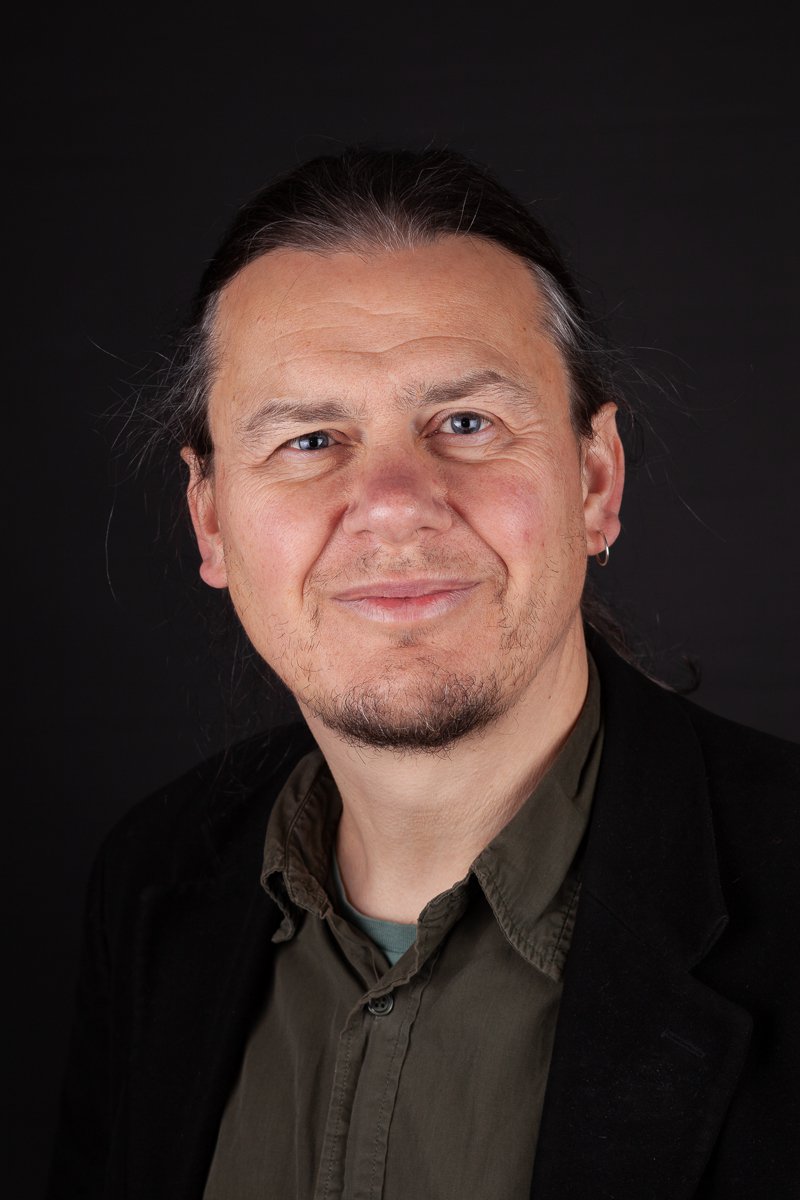
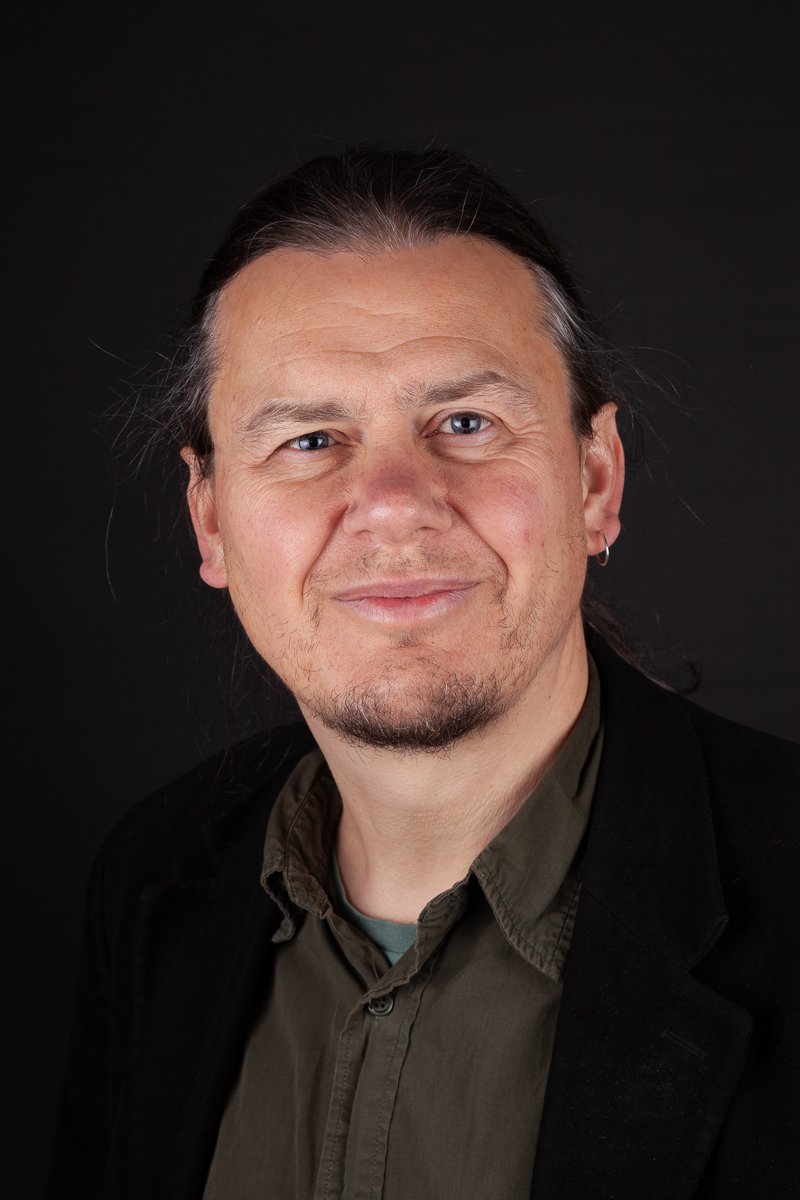
Meet the Member: Andrew Parkin, Keeper of Archaeology, Great North Museum Hancock.
What classical collections are you involved with?
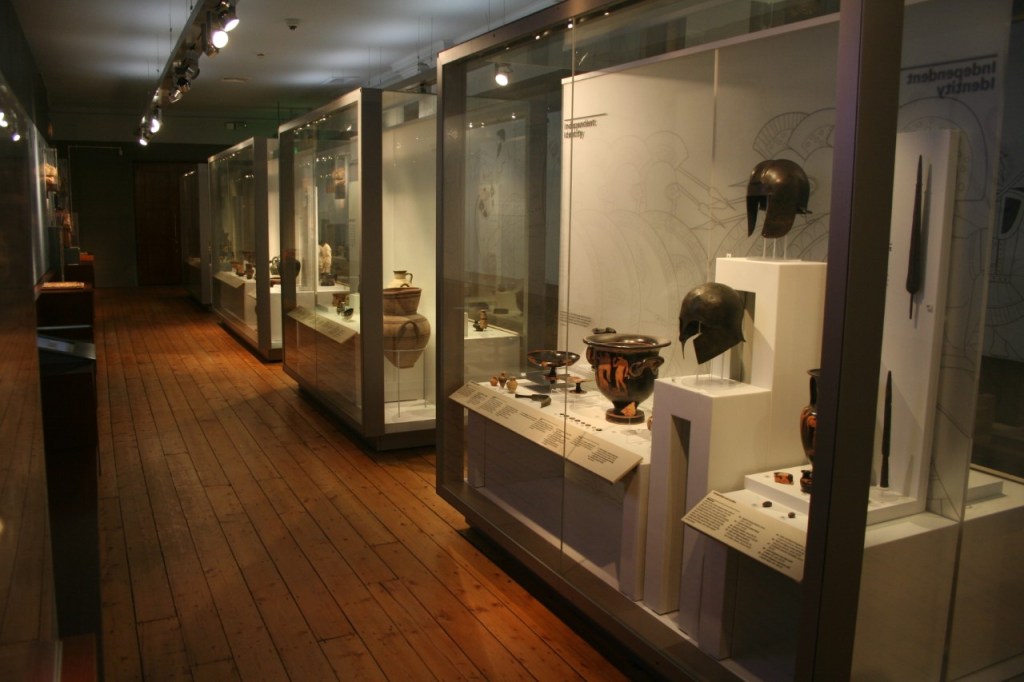
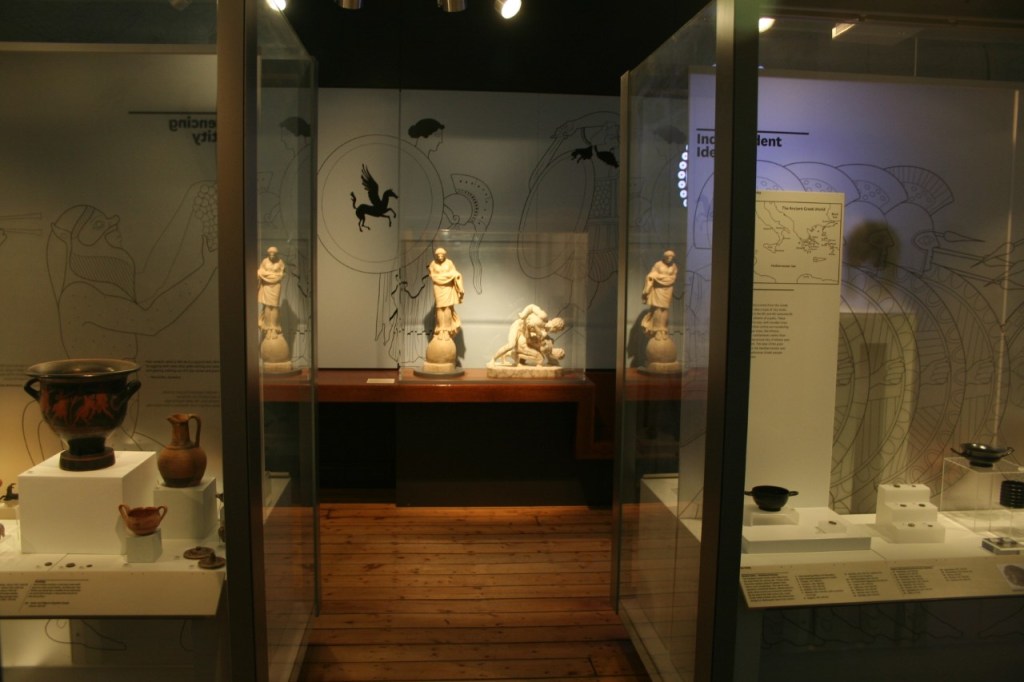
I am responsible for all the archaeology and ethnography collections in the Great North Museum, including British Prehistory and Medieval archaeology, as well as Egyptology. In terms of classical collections I work with the Society of Antiquaries of Newcastle upon Tyne’s Roman collection and the Shefton Collection of Greek Archaeology. The Society of Antiquaries Roman collection is mainly from Northern Britain and has an obvious focus on the archaeology of Hadrian’s Wall. The collection includes a large number of carved and inscribed stones from the whole length of the Wall as well as an extensive range of small finds. The Society was founded in 1813 and the collection represents over 200 years of archaeological research. It is the only collection associated with Hadrian’s Wall that has material from every major site along the length of the Wall. The Society’s collection also encompasses Roman artefacts, mainly collected in the 19th century, from further afield. These include an extensive coin collection and objects from the Roman East. The Shefton Collection is a smaller collection of Greek and Etruscan objects collected by Professor Brian Shefton, who taught Greek art and archaeology at Newcastle University from the mid 1950’s until his retirement in 1984. Shefton collected objects to support his teaching and research making his collection one of the last academic teaching collections of its kind in the UK. His interests are reflected in the collection which incorporates painted pottery, terracottas, metalwork and sculpture.
What is your role in relation to them?
As Keeper of Archaeology I have overall responsibility for these collections. This includes maintaining the permanent galleries in the museum where they are displayed as well as ensuring that material in storage is kept in appropriate conditions and is accessible. My job is very diverse and involves a wide range of activities. I promote the collections through temporary exhibitions and public events, such as lectures, gallery tours and object handling activities. In addition I ensure that the collections are used to support teaching and research, principally by colleagues in Newcastle University, although we also work with other institutions. In many respects my role as a curator involves acting as an advocate for the collections; ensuring that their value to the wider community is not forgotten.
What are you working on at the moment? (or when COVID permits)
COVID has disrupted a great deal of traditional curatorial work. We have not been able to access buildings and collections easily and being separated from the objects I work with has presented many challenges. Like so many others, a great deal of my work has moved on-line. I have been involved in creating resources for Newcastle University students which introduce them to the
Museum and its collections. On-line seminars and pre-recorded presentations about the Museum have replaced traditional gallery tours and teaching sessions. I have been involved in the creation of a virtual exhibition about the Greek revival Belsay Hall in Northumberland which explores how Sir Charles Monck, who built the Hall, was inspired by an extended trip to Greece in the early 1800’s. I have also taken the opportunity to attend a number of on-line conferences and seminars. These have contributed to my own professional development and have informed some of the work we are carrying out in developing and improving some of our policies. One area where we have done quite a bit of work is decolonisation. The curatorial team has been exploring the impact of our imperial legacy and thinking about what this means for the museum.
A longer term project that I have been working on sporadically is to look at Brian Shefton as a collector; building up a history of the collection and understanding his motivations as a collector. Ultimately this might be able to inform the interpretation of the collection in the Shefton Gallery.
What do you think are the main challenges facing the collections at present?
Like most curators I thrive on regular contact with the collections I work with and not being able to interact with objects in the museum is frustrating. In a similar way the lack of visitors, who are the lifeblood of the museum, is a real challenge. It is difficult to try to keep collections in people’s minds when they cannot come and visit in person and I find that virtual experience, while they can be engaging, are no substitute for encounters with the real.
I think the post-Covid cultural landscape is going to be very different. The economic impact of Covid has already started to effect the museum world and I can see this getting worse. Tyne and Wear Archives and Museums, which includes the Great North Museum, has already seen year on year cuts to its budget over the past 10 years and I anticipate further reductions. Add to this the impact of Brexit, which at the moment is not entirely clear, and I believe museums and other cultural institutions are facing an extremely challenging environment.
What are your priorities for finding out more about the collections?
For the Shefton Collection we are in the process of trying to incorporate information from Brian Shefton’s extensive archive into our collection documentation. Brian never threw anything away and we have masses of correspondence, files, photographs, slides and other material that relates to the collection and its history, as well as Brian’s academic life. This is a massive task and we are just beginning to make some inroads into it. Ultimately we hope it will provide us with an insight into collecting and classical archaeology in the second half of the twentieth century.
The Society of Antiquaries of Newcastle’s collections tend to be more fully documented and we can rely on the Society’s publications, especially Archaeologia Aeliana, to provide background information on many of the objects in the collection. Nevertheless there are gaps in our knowledge and we are always trying to improve our understanding of particular items.
What is your favourite object, and why?
This is almost impossible to answer. I do have favourite objects but these are constantly changing as I learn more about the collections and am drawn to different pieces. I have a strong attachment to the Roman relief of Venus bathing from High Rochester, an outpost fort on Hadrian’s Wall, not least because I did some fieldwork there in the early 90’s. You can read more about this object here.
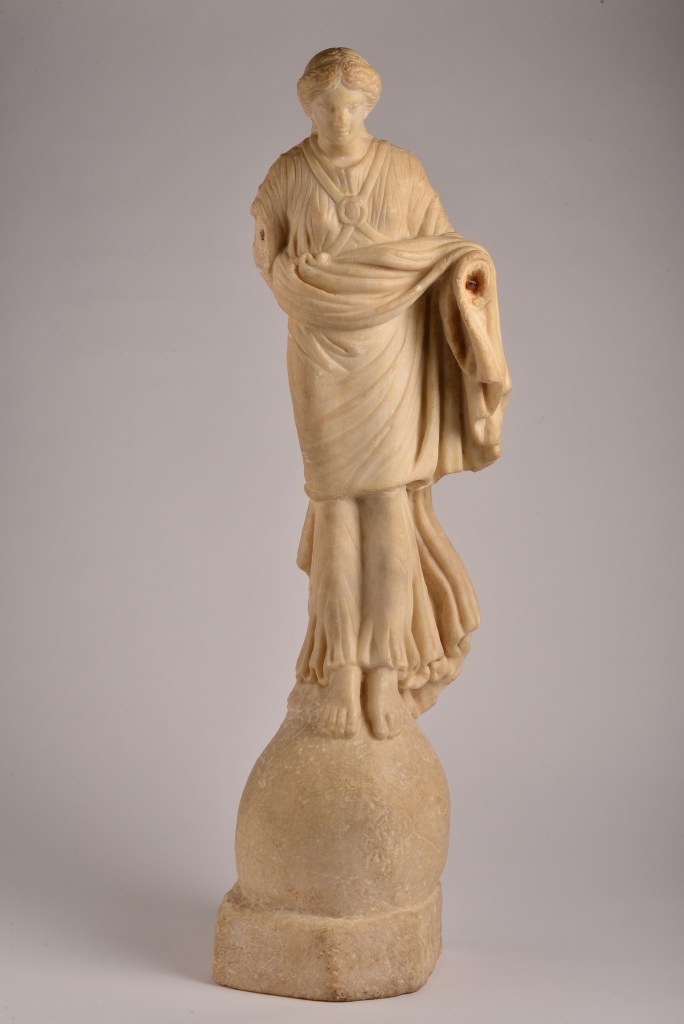
I am also fond of the statuette of Nike in the Shefton Collection, which was the first object from the collection I published, back in 1996. This statuette once belonged to John Ruskin, the eminent Victorian art historian and social reformer, and I enjoyed reading about it in Ruskin’s correspondence and uncovering how it came into his possession. It is unusual for us to have such a detailed provenance for an object in the Shefton Collection and the story of this object is fascinating.
What would you like to happen with the collections in the future?
I would like to see the collections continue to be used by as wide an audience as possible. Both supporting research and academic teaching as well as being accessible to general museum visitors. The Hadrian’s Wall Gallery and the Shefton Gallery in the Great North Museum are over 10 years old and it would be great to completely refurbish them. We are planning some improvements in the Hadrian’s Wall Gallery, mainly around the use of projection to support the interpretation of our Roman altars, but I think the gallery would benefit from an extensive overhaul.
With the Shefton Collection there has been a great deal of interesting research into the collection, utilising Brian Shefton’s archive and I would like to see some of this research reflected in the way we interpret the collection. Some of our focus has been on the more recent history of the collection; developing object biographies that tell the long history of the object, rather than just concentrating on their significance in antiquity. We have carried out some research that shows that museum audiences respond positively to this approach and it would be interesting to apply this in the gallery.
Where can we find out more?
The Great North Museum: Hancock’s website is:
This is a bit out of date but provides some background on community work we have done with the Shefton Collection:
The Shefton Collection: Preserving the Past, Securing the Future | HaSS Research Impact (ncl.ac.uk)
And here is the website of Society of Antiquaries of Newcastle upon Tyne:
The Society of Antiquaries of Newcastle upon Tyne: Home (newcastle-antiquaries.org.uk)
Zoom in and click on a marker to find out more about the UK’s classical collections.
 Classical Collections Network